
2025.12.25
Why do acids and bases "neutralize"? An ion relay in water
The acid-base reaction is not simply the two liquids canceling each other out, but the result of the recombination of hydrogen ions and hydroxide ions.
Views 18,009Comments 7
The acid-base reaction is not simply the two liquids canceling each other out, but the result of the recombination of hydrogen ions and hydroxide ions.
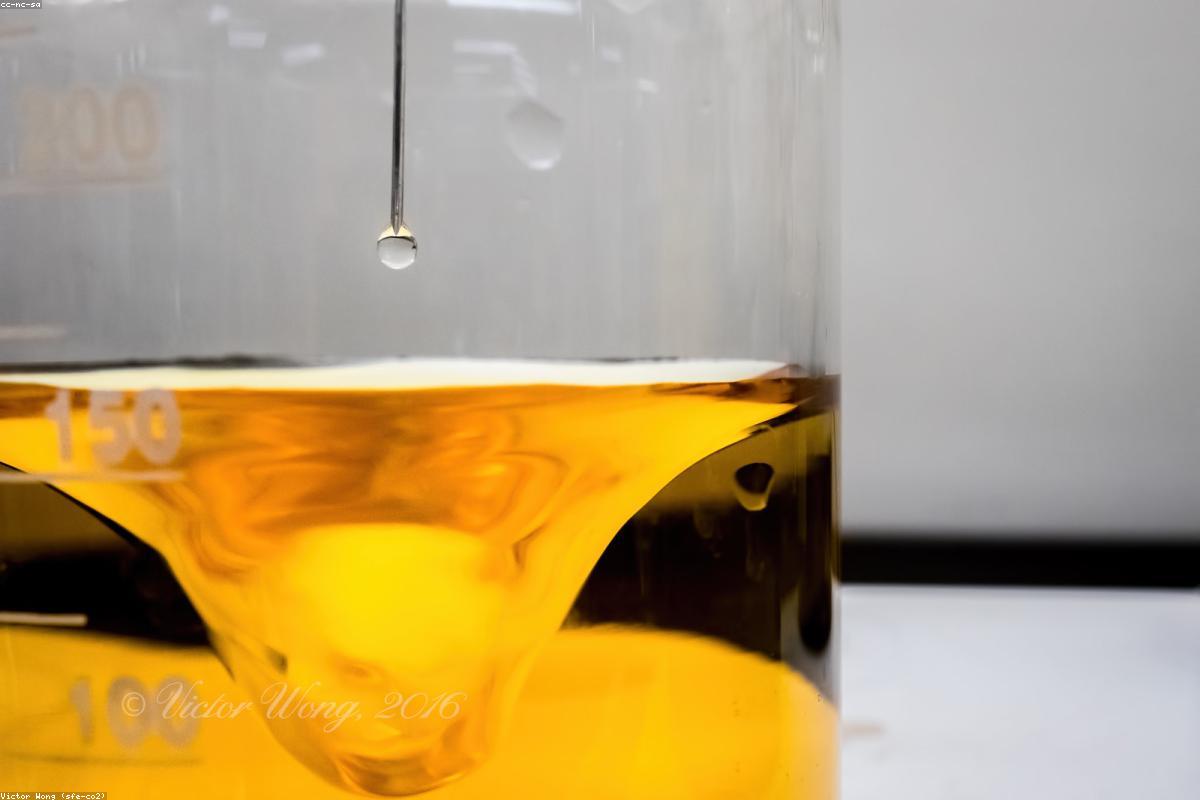
Rusting is not the unilateral "oxidation" of iron, but a set of electrochemical processes involving electron transfer, water film and oxygen.

When a white or yellow solid appears after mixing two clear solutions, the ions in the solution are crossing some solubility boundary.

The catalyst is not consumed by the reaction, but can significantly change the reaction speed. The key is to reduce the energy barrier through which the reaction passes.

Behind a plastic fiber, a transparent bottle and a soft film may be long chains of small molecules that are continuously connected.
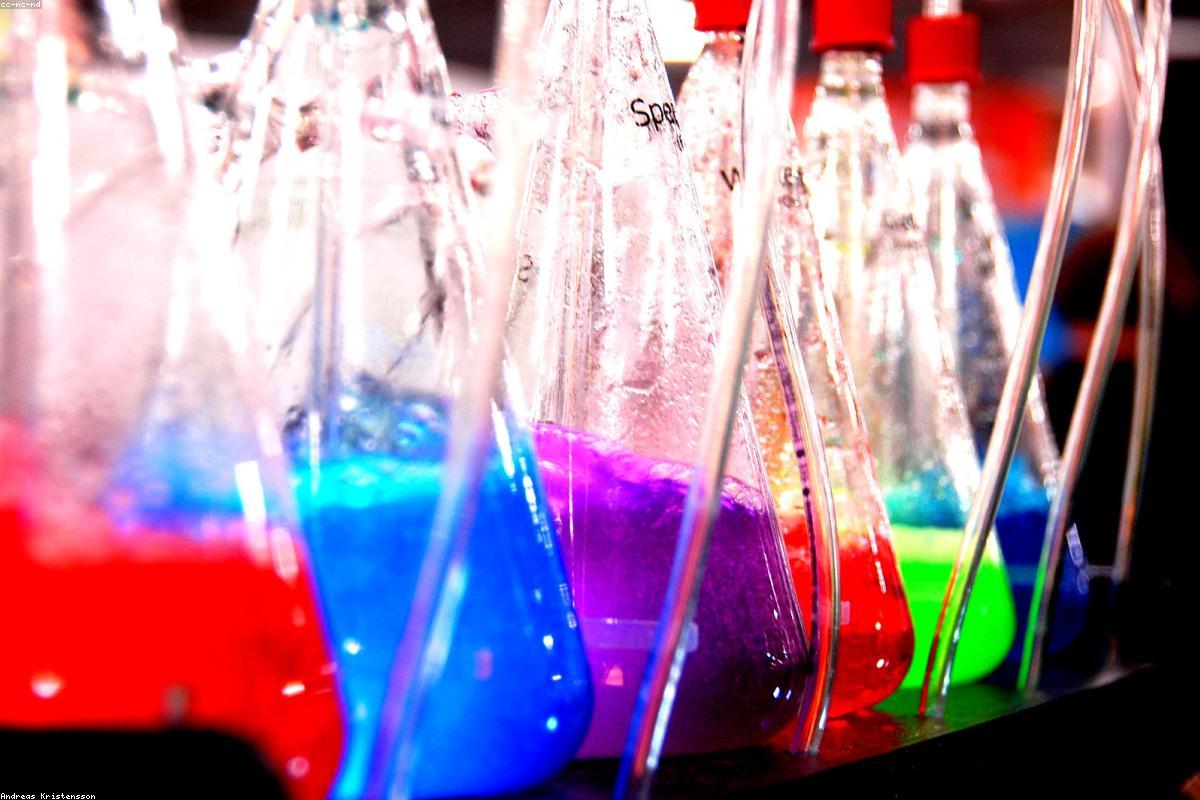
Changes in the color of the solution often indicate changes in the molecular structure, oxidation state or coordination environment.
The cleaning power of soap comes from the two ends of the molecules: one end likes water, the other end likes oil, and finally the oil is encapsulated in micelles.

The battery does not create electrons out of thin air, but allows oxidation and reduction reactions to occur at two electrodes respectively, and forces the electrons to pass through an external circuit.
Combustion is not just "lighting up when encountering oxygen", but a chemical process in which combustibles are oxidized and energy is concentrated and released.
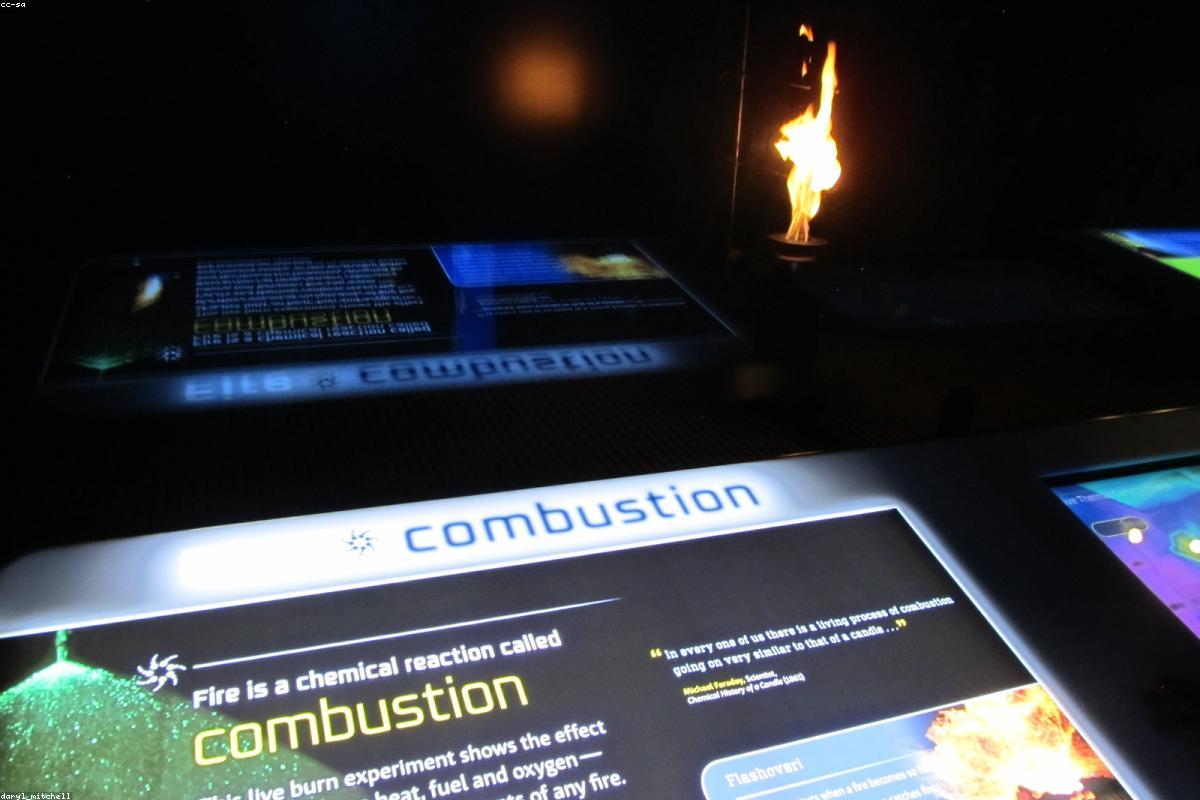
In a seemingly static equilibrium system, reactions in both forward and reverse directions are still happening at the same time, but at exactly the same rate.
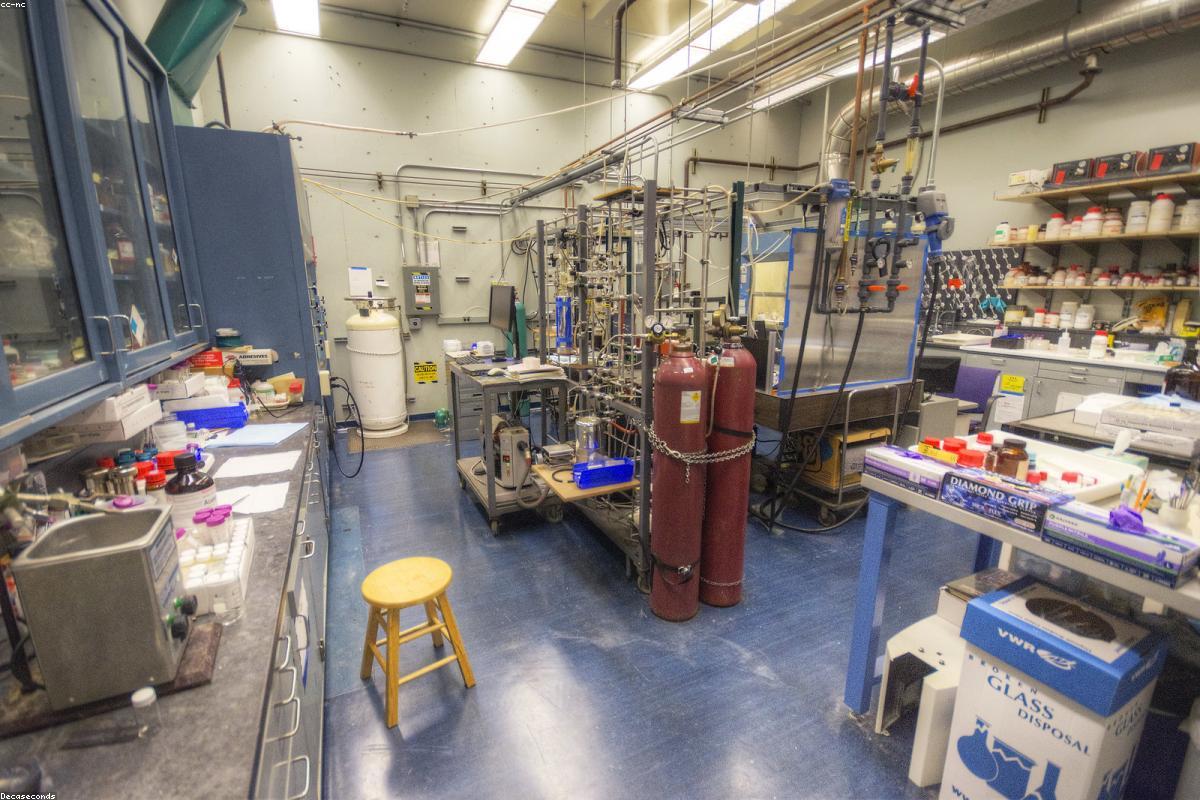
The volume of a gas comes primarily from the space in which the molecules move, rather than the size of the molecules themselves.
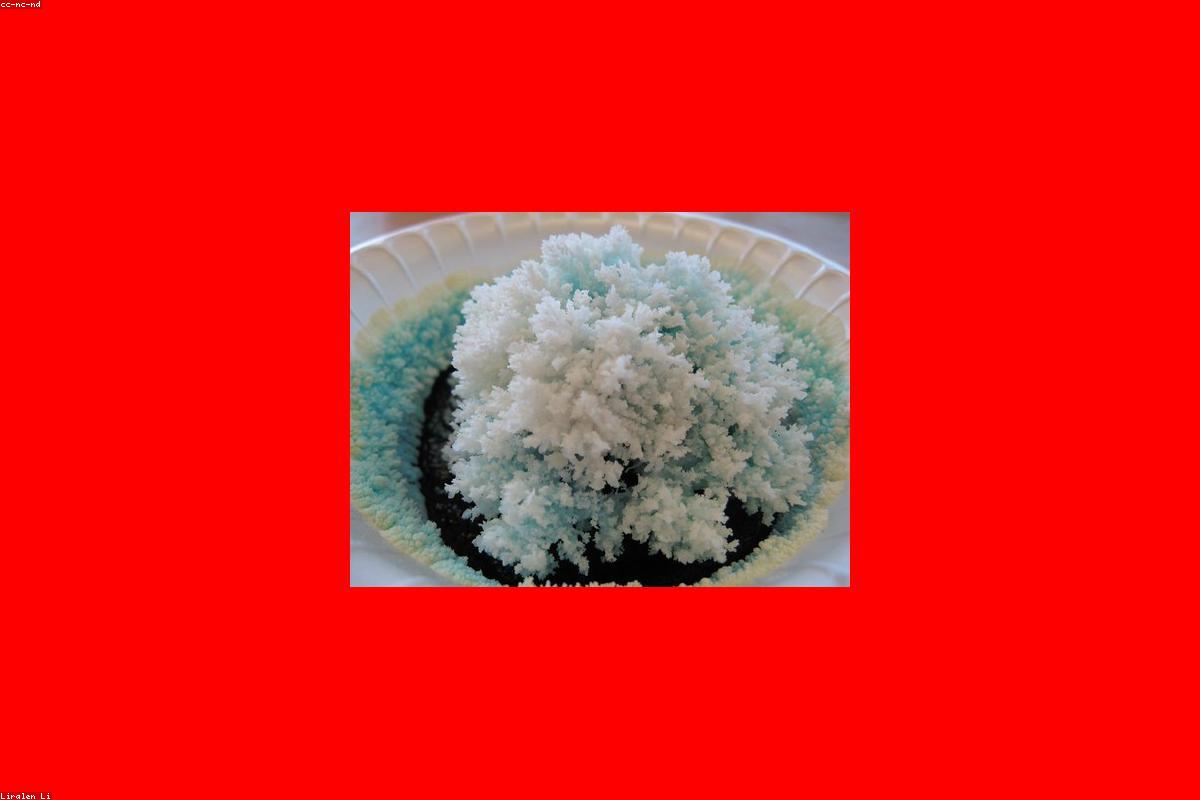
The shape of a crystal records how the particles are arranged and also records the history of temperature, concentration and growth rate.
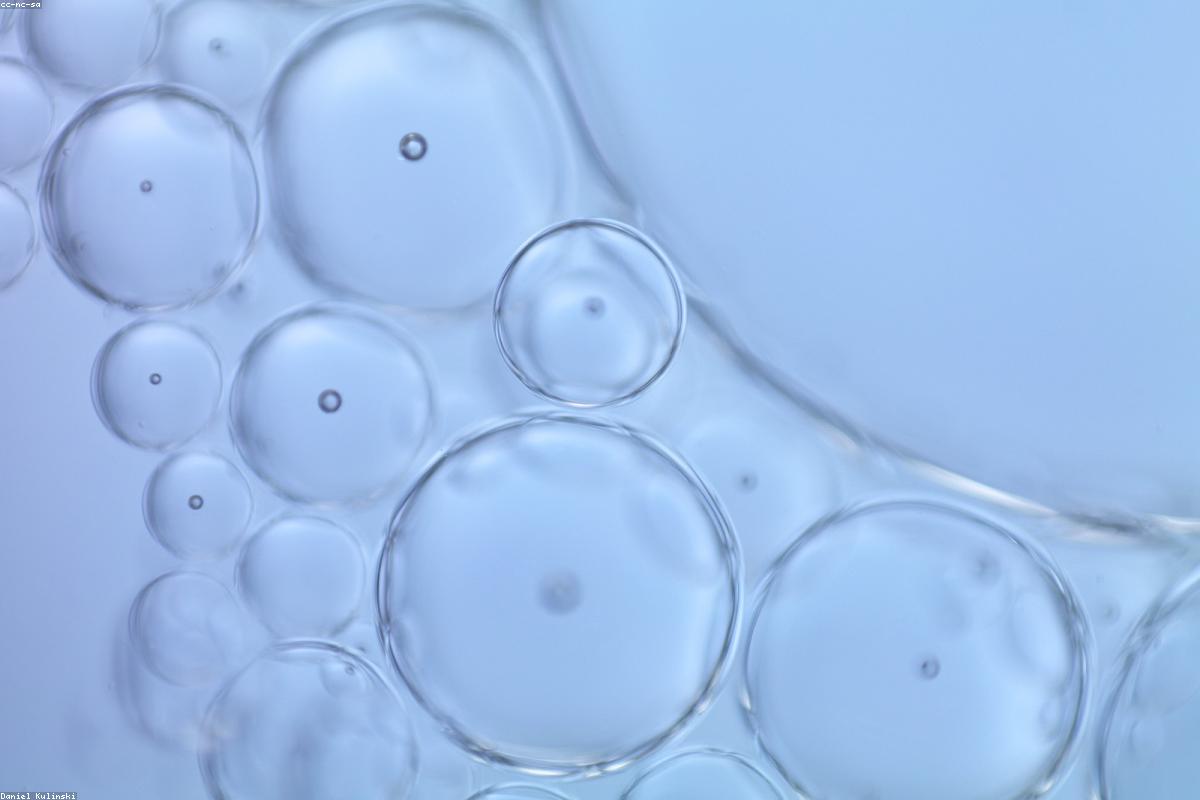
The buffer system can absorb the impact of a small amount of acid or alkali, keeping the pH of the solution relatively stable.

Enzymes are highly selective catalysts in living systems, using their shape and local chemical environment to identify target molecules.

Floral, fruity and baked aromas are not abstract sensations but the result of the interaction of volatile molecules with olfactory receptors.

Bleaching usually does not remove color, but destroys the structures in molecules responsible for absorbing visible light.

Glass is not as neatly arranged as crystals, but it can obtain unique optical and mechanical properties through its amorphous structure.

Photocatalytic materials absorb photons to generate electrons and holes, which can further participate in redox reactions.